Wasp and hornet infestations can be a significant nuisance for homeowners in Arvada, Colorado. Understanding how to manage these pests is essential for maintaining a safe and comfortable living environment. This article will provide practical tips on identifying, preventing, and controlling wasps and hornets, as well as when to seek professional help from Colorado Pest Pros.
Understanding Wasps and Hornets
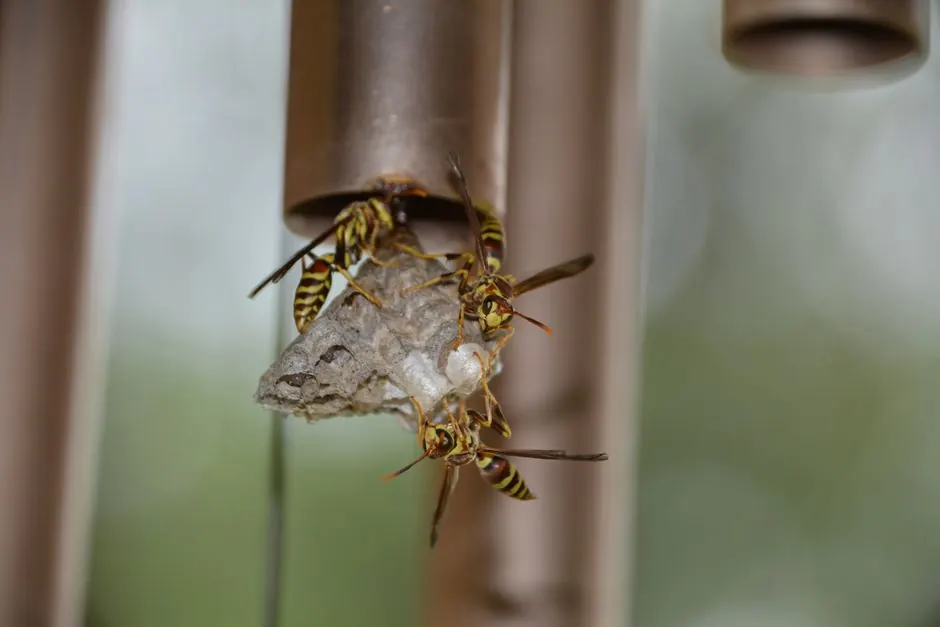
Wasps and hornets are social insects that can become aggressive when their nests are disturbed. Wasps are generally slender and have a smooth body, while hornets are larger and have a more robust appearance. Both types can deliver painful stings, which can lead to allergic reactions in some individuals. In Arvada, these pests are often found in gardens, under eaves, and in trees, making it crucial for residents to recognize their presence early.
Signs of Wasp and Hornet Infestation
Identifying a wasp or hornet infestation early can help prevent more severe problems. Look for the following signs:
- Nests: Look for nests in sheltered areas such as attics, tree branches, or under decks.
- Increased Insect Activity: Noticeable wasp or hornet activity around your home, especially in late summer.
- Stings: Frequent stings or sightings of these insects can indicate a nearby nest.
Prevention Tips for Homeowners
Preventing wasps and hornets from nesting around your home is the first line of defense. Here are some effective prevention tips:
- Seal Entry Points: Inspect your home for cracks and gaps, particularly around windows and doors, and seal them to prevent entry.
- Remove Food Sources: Keep outdoor eating areas clean and cover trash cans to avoid attracting these pests.
- Trim Vegetation: Regularly trim trees and shrubs to minimize potential nesting sites.
In addition to these tips, consider consulting a professional for wasp control Colorado to ensure your home remains pest-free.
DIY Control Methods
If you find a wasp or hornet nest and feel confident in your ability to handle it, there are several DIY methods you can try:
- Soap and Water Solution: Mix two tablespoons of dish soap with water in a spray bottle and spray directly onto the nest. This can suffocate the insects.
- Commercial Sprays: Use insecticides specifically designed for wasps and hornets, following the manufacturer's instructions carefully.
- Trap Setup: Create traps using sugar water or fruit juice in a container to lure and capture wasps.
However, be cautious when approaching a nest, as disturbing it can provoke the insects. For those uncomfortable with DIY methods, seeking help from a Colorado hornet exterminator is advisable.
When to Call a Professional
While DIY methods can be effective, there are times when calling a professional is the best option. If the nest is large or located in a hard-to-reach area, or if you or someone in your household is allergic to stings, it's crucial to contact experts like Colorado Pest Pros. Professionals have the tools and expertise to safely remove nests and prevent future infestations.
Common Mistakes to Avoid
When dealing with wasps and hornets, avoid these common mistakes:
- Ignoring Early Signs: Early detection is vital. Don't wait until the infestation worsens.
- Using Improper Methods: Avoid using homemade traps that may not be effective or safe.
- Disturbing the Nest: Attempting to remove a nest without proper gear can lead to multiple stings.
Frequently Asked Questions
What attracts wasps and hornets to my home?
Wasps and hornets are attracted to food sources, particularly sugary substances and proteins. Keeping your outdoor areas clean can help deter them.
Can wasps and hornets survive winter?
Most wasps and hornets die in winter, but queens may survive by hibernating in sheltered locations. It's essential to prevent nests from forming in the spring.
How can I tell if a wasp is aggressive?
Wasps become aggressive when their nests are threatened. If you see them hovering near their nest, it's best to keep your distance.
Are there any natural repellents for wasps?
Certain essential oils, like peppermint or clove, can act as natural repellents. Spraying a diluted solution around your home may help deter them.
What should I do if I get stung?
If you get stung, clean the area with soap and water, apply ice to reduce swelling, and take antihistamines if necessary. Seek medical attention if you experience severe reactions.
Get help with Pest control in Arvada
If you're facing issues with wasps or hornets at your home, it's time to take action. Contact us at Colorado Pest Pros for effective pest control solutions tailored to your needs. Call us today at 18663803027 for a consultation!